
Topic
Legal newspaper culture: why court coverage still matters
Courts and agencies decide who gets paid, who gets protected and who gets punished. Someone has to watch the paperwork.
Courts and agencies decide who gets paid, who gets protected and who gets punished. Someone has to watch the paperwork.
Dockets, captions, motions and exhibits, explained so you can judge a case yourself.

A clause-by-clause look at releases, non-disparagement, noncompete triggers and money — and which terms are open to negotiation.

The federal overtime rule covers most workers — but a set of exemptions leaves out many salaried employees. Here is how the tests work and how to spot a misclassification.
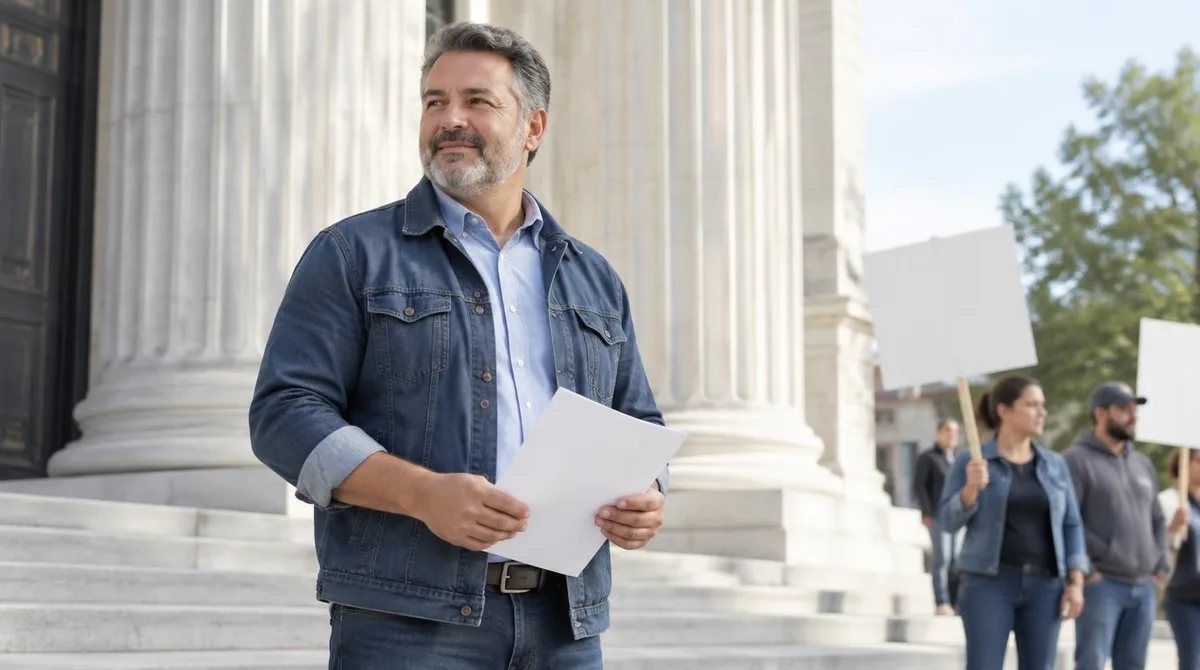
Injunctive relief in a labor dispute ranges from a short pause on picketing to a longer court order — and judges apply specific standards before they sign one.

Break rules are set state by state, and the differences decide whether a skipped lunch is a legal violation or just a hard day.

A map of where union jobs cluster, how to search for them, and what to check before you apply.

Federal and state rules require certain notices in plain view at work. Here is what belongs on the wall, where it goes, and how to get it free.
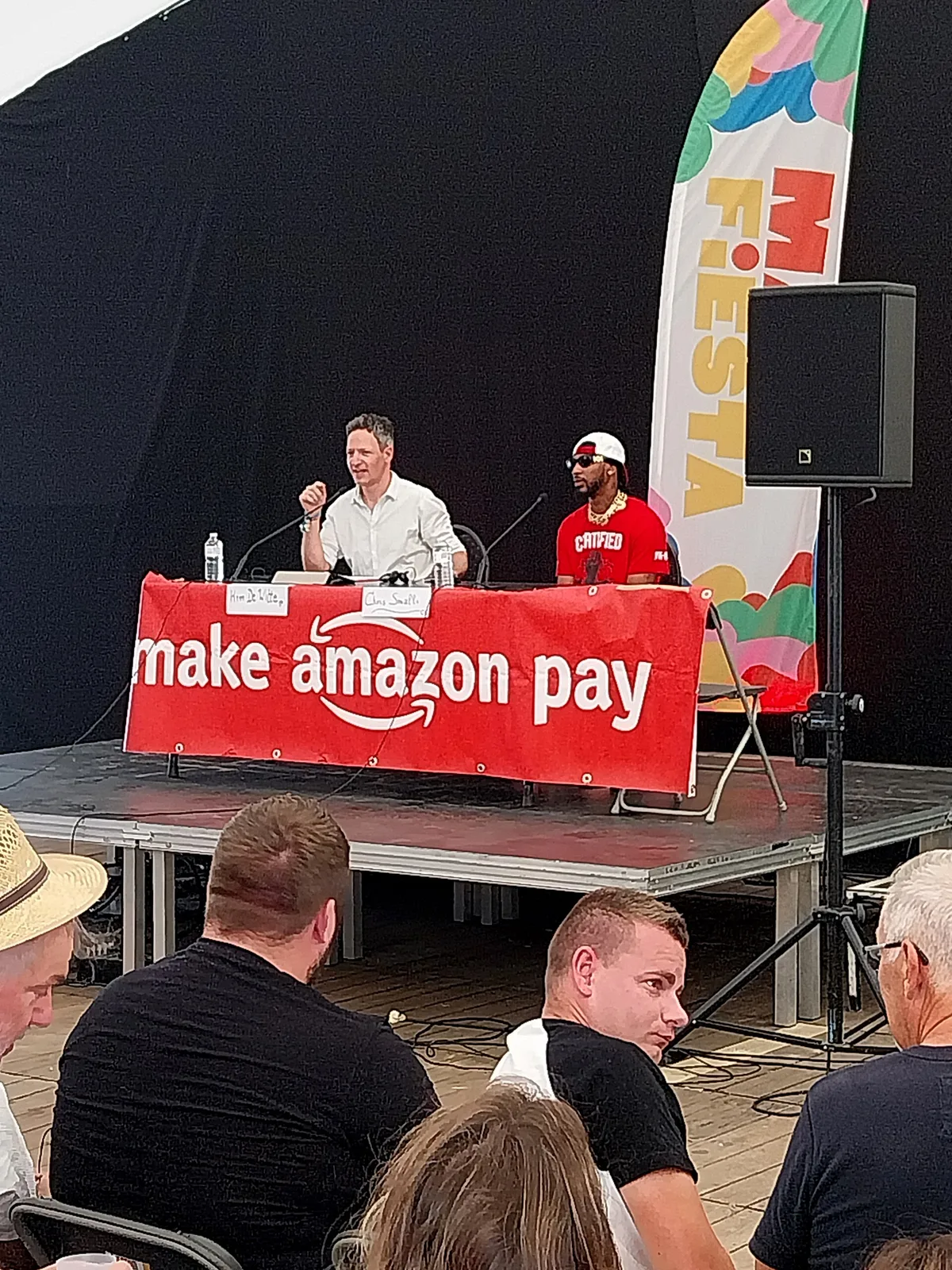
The eight-hour day, the weekend, safety law and wage enforcement all trace to organizing that most workers never see.
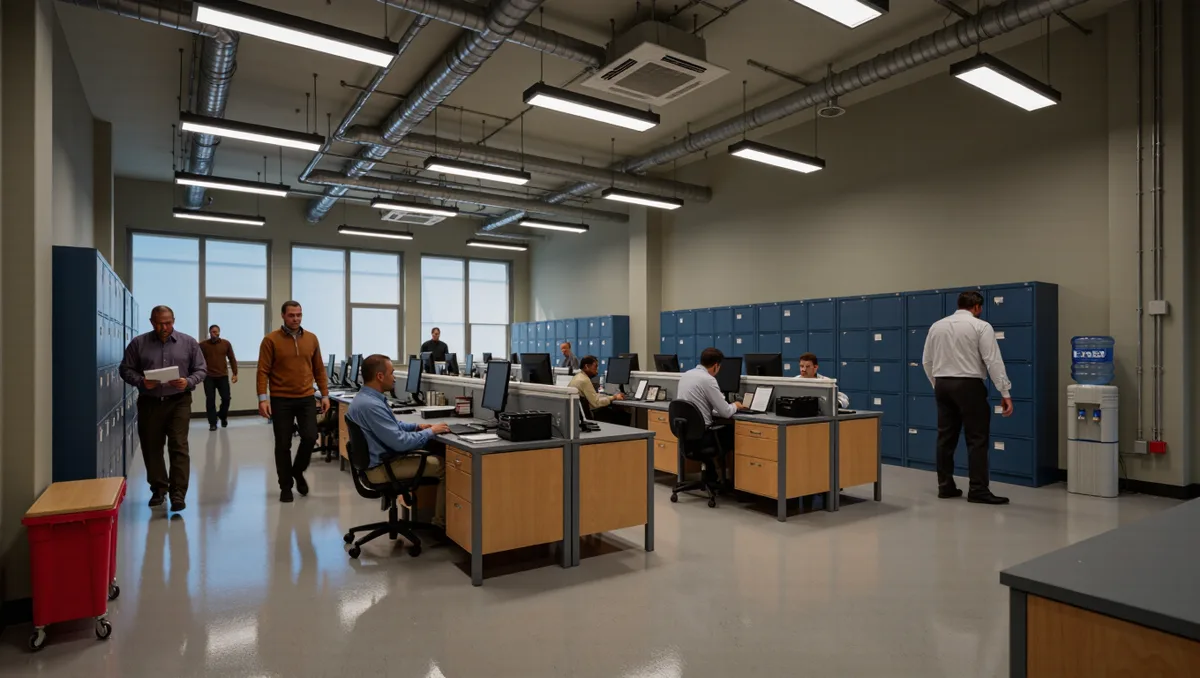
Pleadings, discovery, motions, trial, appeal — the stages a workplace lawsuit actually passes through, and where most cases end.